Pay in installments of $7.15 with
 ,
,
 and
and

Shipping Estimate
USA
- USA
- CAN
- USA
- CAN
Ships within 48 hours · Estimated delivery Jul 4 - Jul 9
 Promo Codes Available:
For Your Every Summer RSVP, with Code: SUMMER15
Description
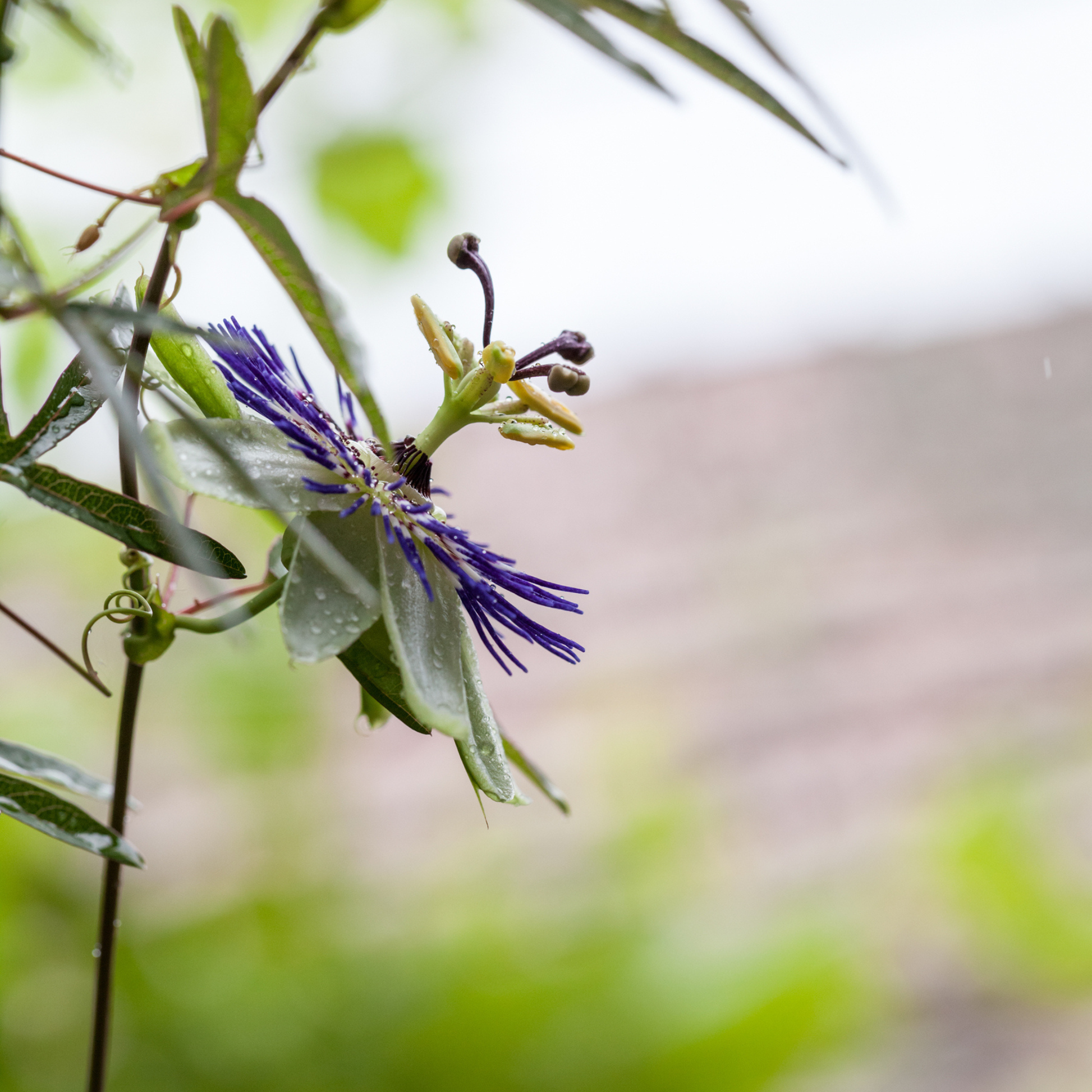
maypop passion flower seeds Passiflora incarnata | Apricot Vine | Maypop PurpleNative. Exotic looking. Surprisingly hardy. Passiflora incarnata, the Maypop, is one of the most visually striking native plants in North America. Its intricate lavender and white passionflowers look like they belong in a tropical greenhouse, yet this vine thrives from zone 5 to zone 9. It dies back to the roots each winter and returns with force every spring. By late summer, it produces edible fruit with a sweet, tropical flavor. The flowers are a
Native. Exotic-looking. Surprisingly hardy.
Passiflora incarnata, the Maypop, is one of the most visually striking native plants in North America. Its intricate lavender and white passionflowers look like they belong in a tropical greenhouse, yet this vine thrives from zone 5 to zone 9. It dies back to the roots each winter and returns with force every spring. By late summer, it produces edible fruit with a sweet, tropical flavor. The flowers are a critical nectar source for native pollinators and serve as the sole larval host for multiple butterfly species.
- Native passionflower hardy from zones 5–9
- Exotic blooms that attract bees, wasps, and butterflies
- Produces edible fruit with a sweet tropical flavor
- Host plant for Gulf Fritillary and Variegated Fritillary butterflies
- Spreads by rhizomes to cover slopes, banks, and disturbed ground
Things You Probably Didn’t Know
The flower became a teaching tool.
Spanish missionaries in the 1500s used the complex structure of the passionflower to symbolize the crucifixion. Each part of the bloom was given meaning, earning it the name “Flor de las Cinco Llagas,” or flower of the five wounds.
It pops when you step on it.
The name Maypop comes from the sound of the ripe fruit bursting underfoot. Kids in the rural South have been stepping on them for generations like nature’s version of bubble wrap.
It has a long history as a natural sedative.
Passiflora incarnata was listed in the United States Pharmacopeia from 1916 to 1936 and is still used today to support relaxation and sleep. Modern studies confirm its mild calming effects.
The roots don’t quit.
Even after the vine dies back completely in winter, the underground root system survives and expands. One planting can return and spread for decades.
Growing Details
- Botanical Name: Passiflora incarnata
- Stratification: Recommended; 60–90 days cold stratification
- USDA Zones: 5–9
- Soil: Well-drained; sandy to loamy, tolerates poor soils
- Light: Full sun to partial shade
- Habit: Vine (6–30 feet depending on support)
- Spread: Spreads by rhizomes
Plant it where you want something wild and beautiful. A native vine that earns a second look from everyone who sees it in bloom.
Shipping Notes
- Free Standard Shipping on $100+ Orders to the USA.
- Except Preorder products are shipped in 48 hours.
- Delivery to the USA:
- Standard Shipping : 3-10 business days
- If time is of the essence, please consider selecting expedited delivery for faster service.
Exchange/Return Notes
- We offer a 30-day return/exchange service after receiving.
- Final sale items are not eligible for returns or exchanges.
- To process your return/exchange, please contact us at [email protected]
- Please click here for more details>>> Return & Exchange Policy